
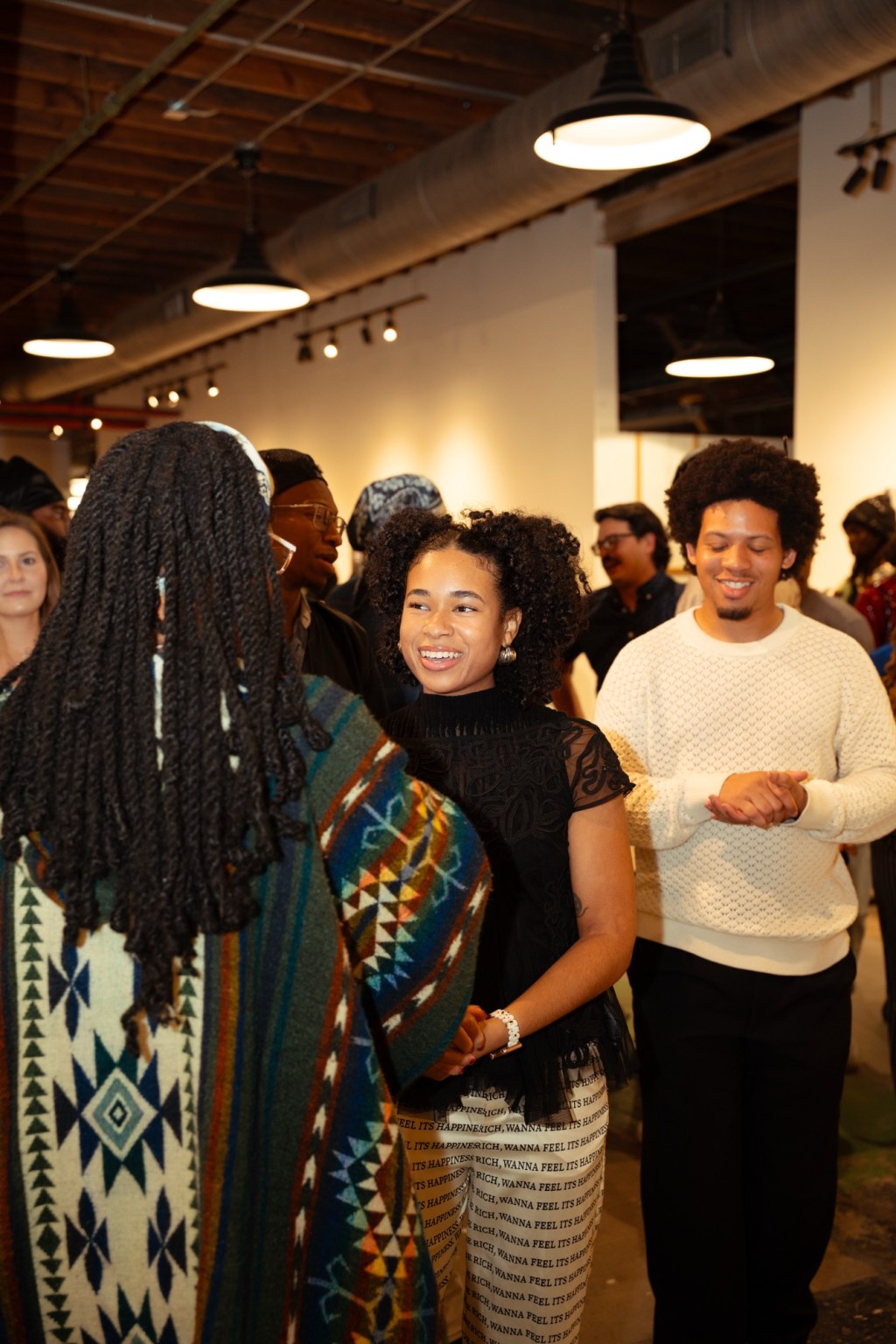
An exploration on some of the artists and photographers featured at the UNITY exhibition in Atlanta, hosted by Ladibug Studios and Miliona Village.
Coming Together
Unity can take many forms. It can be found in romance, fashion, family, cultural traditions, and the shared sentiments that bring people together. Sometimes it is expressed through a grand celebration; other times, it lives in a quieter moment between two people.
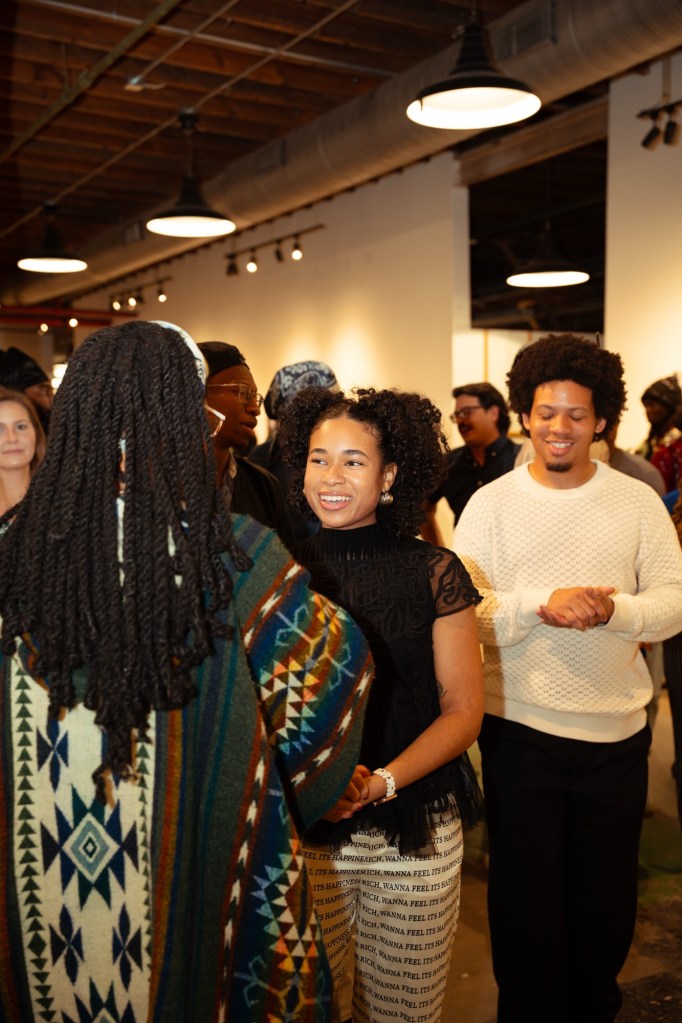
Hosted in late October by Ladibug Studios and Miliona Village, the Culture Exhibit: UNITY theme brought together artists and photographers whose work explored these connections through different perspectives and creative mediums.
Although our time at the exhibition was limited, we wanted to take a closer look at the stories behind some of the pieces that caught our attention. We spoke with several photographers about their creative processes, inspirations, and the sentiments behind their work.
While we couldn’t connect with everyone in attendance, we hope these conversations from our perspectives offer a glimpse into the exhibition’s broader spirit and the many ways people find common ground.
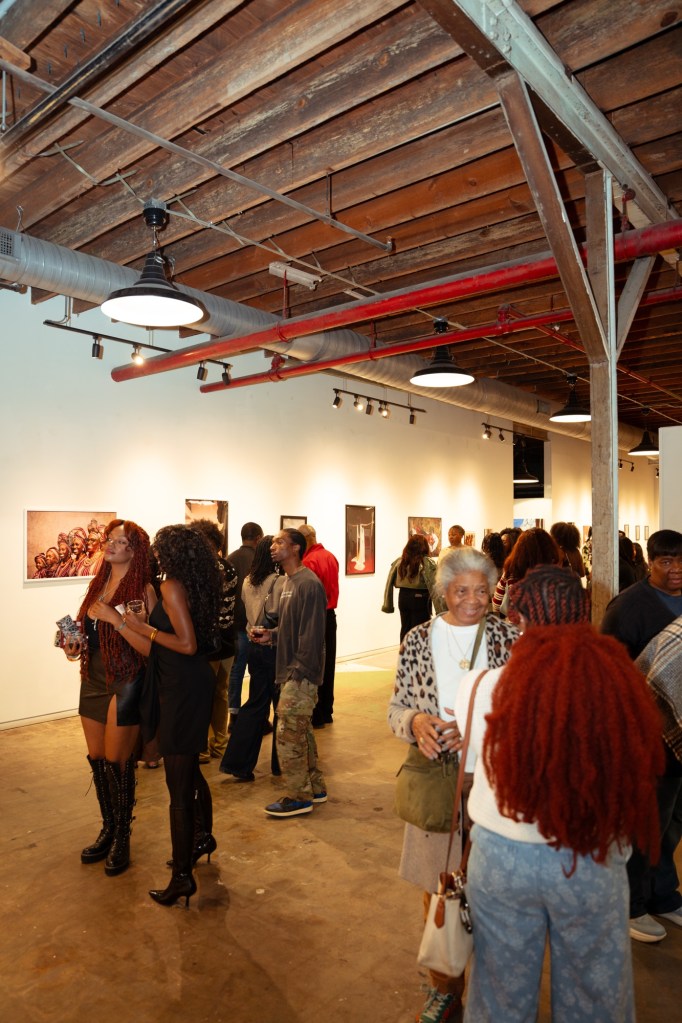
The full list of artists, along with their original interpretations of their work, can be found here.
Editorial Note: The following groupings and observations reflect my own editorial perspectives and interpretations of the pieces featured.
The Celebrations: Honor & Joy
Photos that explore hope and joy; from honoring the past, the present, and the future.
“Kage” by Nylah Desir
“The title? That’s the name of my model!”
Nylah Desir describes the process behind her piece, Kage, with enthusiasm.
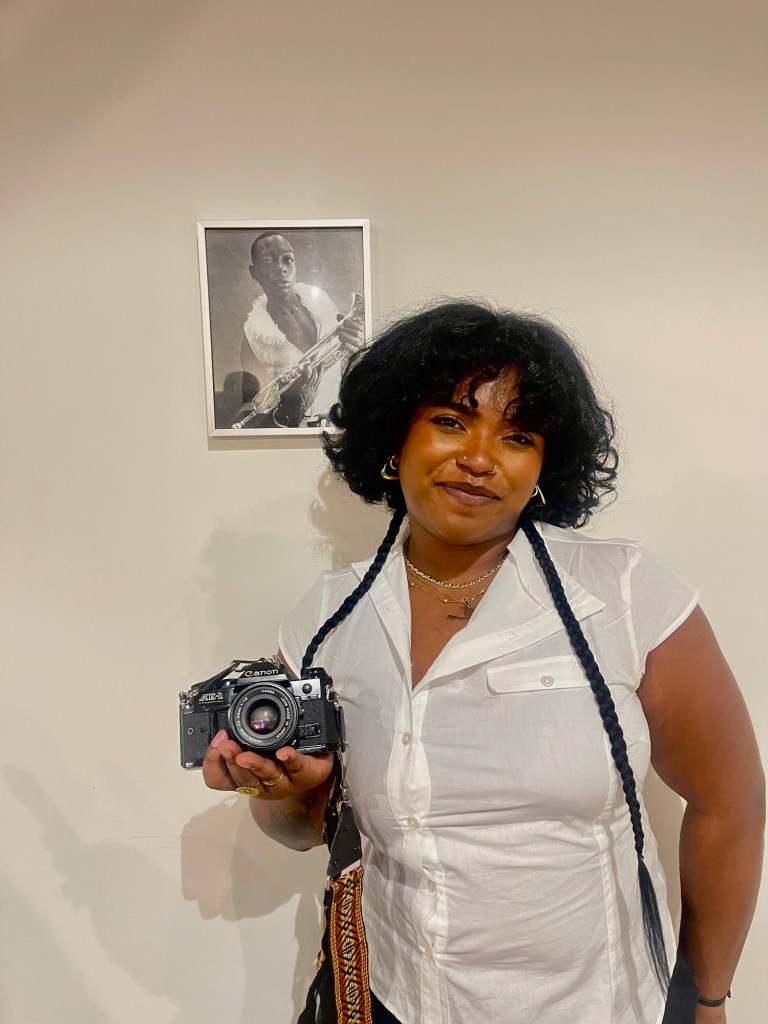
“I shot this at Argo Studios after putting out an open call for a Miles Davis-themed shoot, and Kage was a great match for my idea.”
The inspiration draws from the legacy of Miles Davis, one of the most influential figures in twentieth-century jazz. In the photograph, Kage holds a trumpet in a black-and-white gradient that pays homage to the musician and the visual language of the jazz era.
“Kage dressed himself, and I let him do his thing. We agreed on the vision for the concept, and he did a great job. Yes, he is that fabulous at posing.”
Beyond the styling and composition, the final production process was equally important to Nylah. She enjoys hand-developing her film photographs and emphasized her appreciation for the medium.
Through the collaboration between photographer and model, Kage becomes more than a portrait. It is also an exercise in connecting artistic influences across time.
“Time to Party” by Kevin Kabunda
Captured during the FIFA Fan Festival celebrations in Atlanta during the 2026 World Cup summer, Kevin Kabunda’s Time to Party highlights the lively atmosphere surrounding one of the world’s most recognizable sporting events.
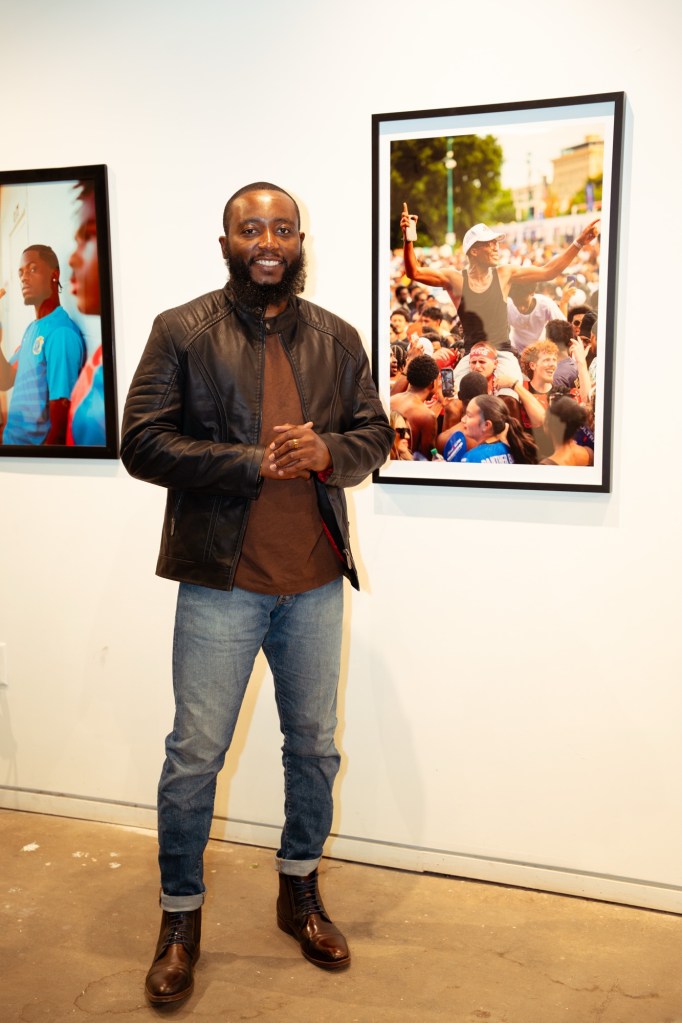
Sports have a unique ability to bring together people who might otherwise have little in common, and even more so with the World Cup. Different backgrounds, languages, and cultures can find a shared point of excitement through a single event.
For Atlanta, the hosting of multiple World Cup matches and festivities offered another opportunity to welcome international visitors and celebrate the city’s place on a global stage.
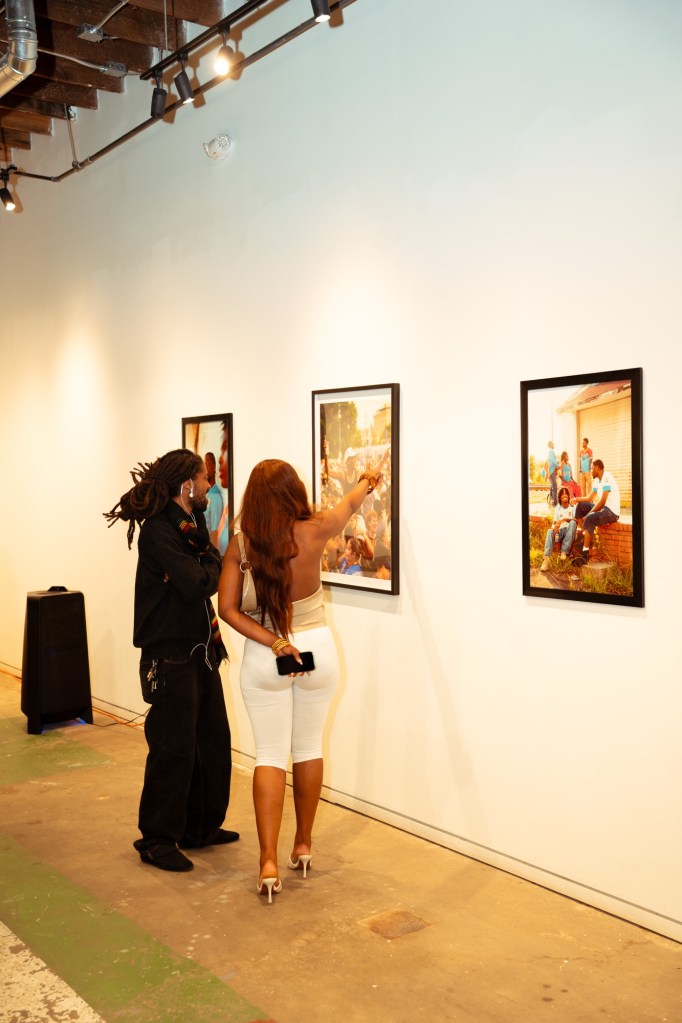
The photograph, and those similar in theme, preserves a moment of collective excitement, where the atmosphere itself becomes part of the story.
It is a reminder that sometimes unity looks like a party, with everyone invited.
“Exist for Love” by Joel Kayamba
In Joel Kayamba’s piece, a couple dressed in wedding attire hold one another’s gaze, sharing an intimate moment that captures the commitment and affection at the center of their relationship.
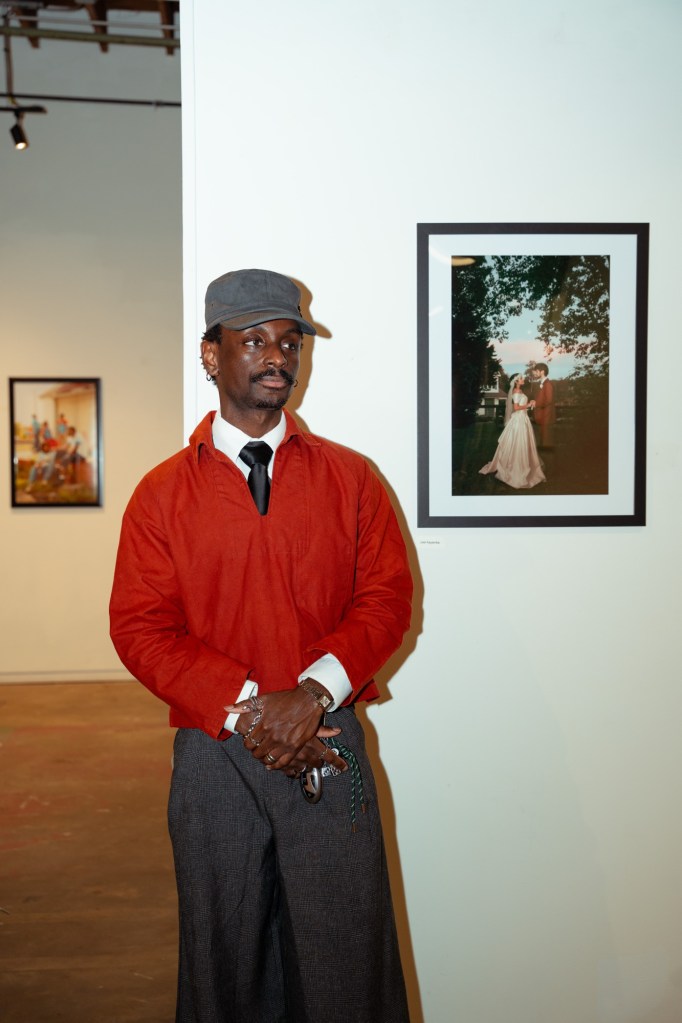
When we asked about the photograph, Joel clarified that the moment was not staged for a creative concept. It was an actual wedding, and he had been hired by his friends to document the occasion.
“Yeah, this was a real wedding. A friend of mine hired me to be their wedding photographer, so that’s what I did. Then I took this photo of them staring at each other, just existing. So then, I decided to title it Exist for Love.“
There’s something special about knowing the photograph documents a real moment between people who invited Joel to be part of such an important day. Beyond the composition and visual presentation, it captures the affection between two people and the even the platonic experience of showing up for one another while holding out hope for the future.
Barbican Centre in the Afternoon by Thalia Butts
Thalia Butts’ photograph captures the atmosphere inside London’s Barbican Centre.
One of Europe’s largest arts and cultural venues, the Barbican is home to an expansive program of exhibitions, performances, cinema, and music. Its role extends beyond simply displaying art; it creates opportunities for artists and audiences to encounter different forms of culture within a shared space.
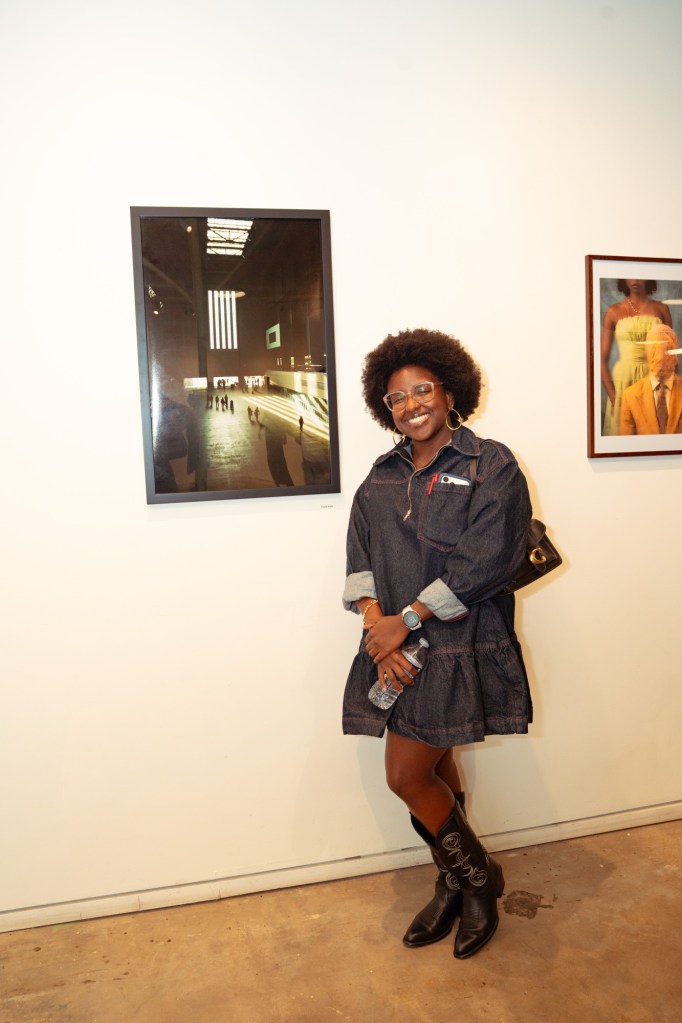
The photograph captures a setting that reflects this very idea: a place where we can celebrate and admire, where art and people come together.
In addition, the submission also marked a personal milestone.
“This is my first submission ever! I’m really excited to put myself forward in this part of myself. I’d love to submit to more exhibits. Thanks for the encouragement and support.”
It’s always exciting to see someone take the first step toward sharing their work with a wider audience. For Thalia, the exhibition also represents the beginning of a new creative experience.
The Antis: Challengers
Photos that ask us to challenge existing sentiments by evaluating ourselves, thoughts, and shared histories.
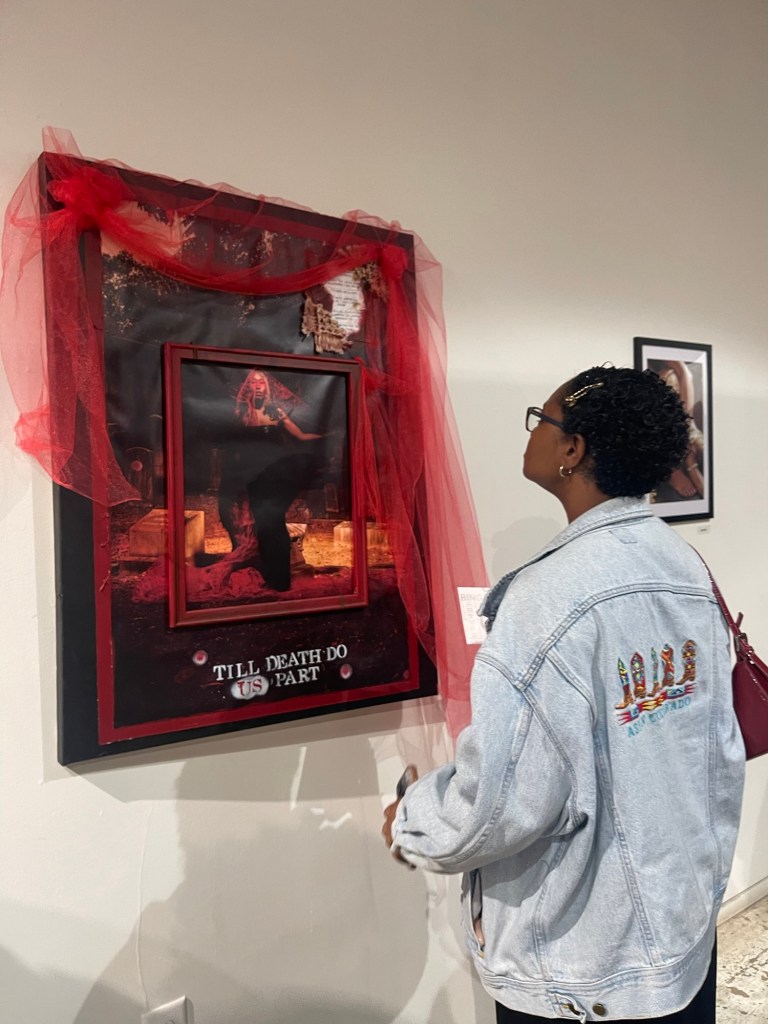
“Til Death Do Us Part” by Annabelle Camp
“I thought of the concept like an ego death; a shared understanding of the moment when we accept that we must release ourselves from our egos.”
Annabelle Camp’s Til Death Do Us Part explores the relationship between identity, surrender, and transformation.
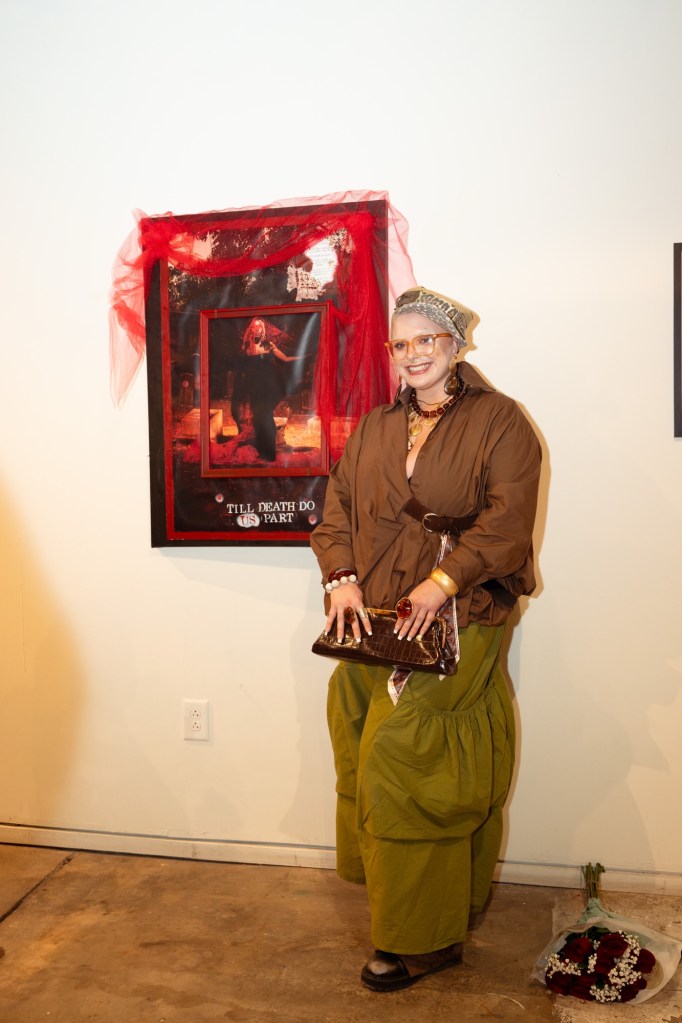
The model, Neil, stands in a cemetery wearing a veil. A striking red veil frames the composition, with a corresponding veil appearing within the frame itself. The visual effect creates an interesting relationship between the subject and the viewer, almost as if we, too, are wearing the veil.
In the upper-right portion of the work, handwritten script adds another layer to the composition:
“Within me, the bride and the mourner are one… wedded in red.”
The imagery draws on the symbolism of marriage and mourning, bringing two seemingly different experiences into the same space. Annabelle’s interpretation considers the personal transformations that require us to let go of something within ourselves.
The red is hard to overlook. It gives the photograph a dramatic presence, while the cemetery and veil bring a sense of solemnity to what might otherwise be read as a bridal image. It’s a different kind of wedding portrait, one that asks what we might have to leave behind before becoming someone new.
“Dark Truth” by Thomas Smith
“Honestly, what are we celebrating?” Thomas Smith asks as we discuss the unmistakable Independence Day theme in his work.
The photograph features a confident young Black woman draping the American flag against herself while looking directly ahead. Across the image, white-painted lettering reads: “We hold these truths.”
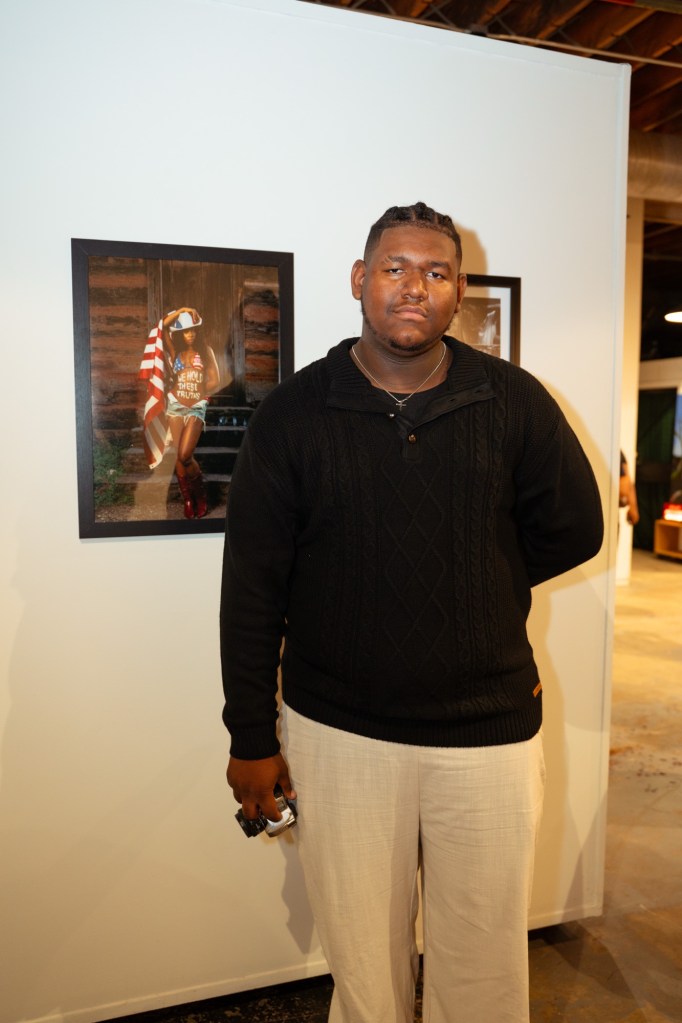
Thomas explains that the concept was intentionally constructed, from the outfit to the painted words.
“I coordinated the outfit to match my vision for the concept that I had, and the painted words were the cherry on top. It’s a sentiment I think black Americans can relate to when it comes to the Fourth of July. It comes with a lot of thought and questioning of taught history and our place in it.”
The work invites viewers to consider the relationship between national identity and lived experience. Independence Day may represent celebration for many, but Thomas introduces a more complicated question: what does independence mean when the history behind it is not experienced equally?
It’s a question that gives the familiar holiday imagery a different weight. The flag is recognizable, but the words ask us to reconsider what we have been taught to associate with it.
“Slaves to Fashion” by AJ Anderson
Inspired by the 2025 Superfine: Tailoring Black Style exhibition at the Metropolitan Museum of Art in New York, AJ Anderson incorporates elements of Black dandyism into this contemporary interpretation.
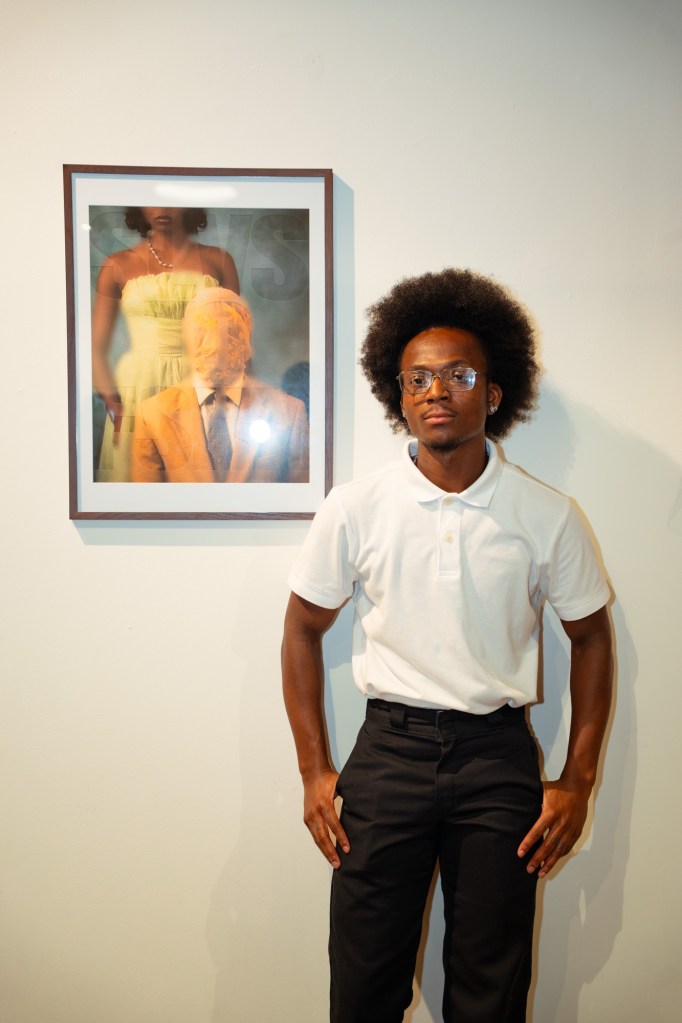
Black dandyism has long served as a form of self-expression and resistance, using refinement, tailoring, and vibrant personal style to challenge the restrictions and expectations imposed by colonialism.
“I titled it ‘Slaves to Fashion’ after the book Monica L. Miller wrote on black dandyism. After visiting the exhibit, I was inspired by the cool colors and textures of black style despite the backgrounds of colonialism, and I wanted to capture that.”
AJ describes an approach that combines photography with additional visual elements.
“I took pictures, then added the text layer with patterns for added texture and depth.”
The result draws attention to the relationship between fashion and identity. Clothing becomes more than an aesthetic choice; it can communicate history, resistance, and the freedom to define oneself. There’s also something interesting about the way AJ brings these ideas together through both the photograph and its added layers of text and pattern.
The Familiars: Familial & Femimine
Photos that explore routines and families; the recurring moments and relationships through one’s life.
Aso Egbe Series by Joel Isimeme
Joel Isimeme’s Aso Egbe series explores the significance of clothing as a symbol of community, solidarity, and shared identity.
Historically, among Yoruba women, egbes have served as social associations and networks of mutual support. Members often wear coordinated traditional attire, including aso oke, to visually express their affiliation and collective identity.
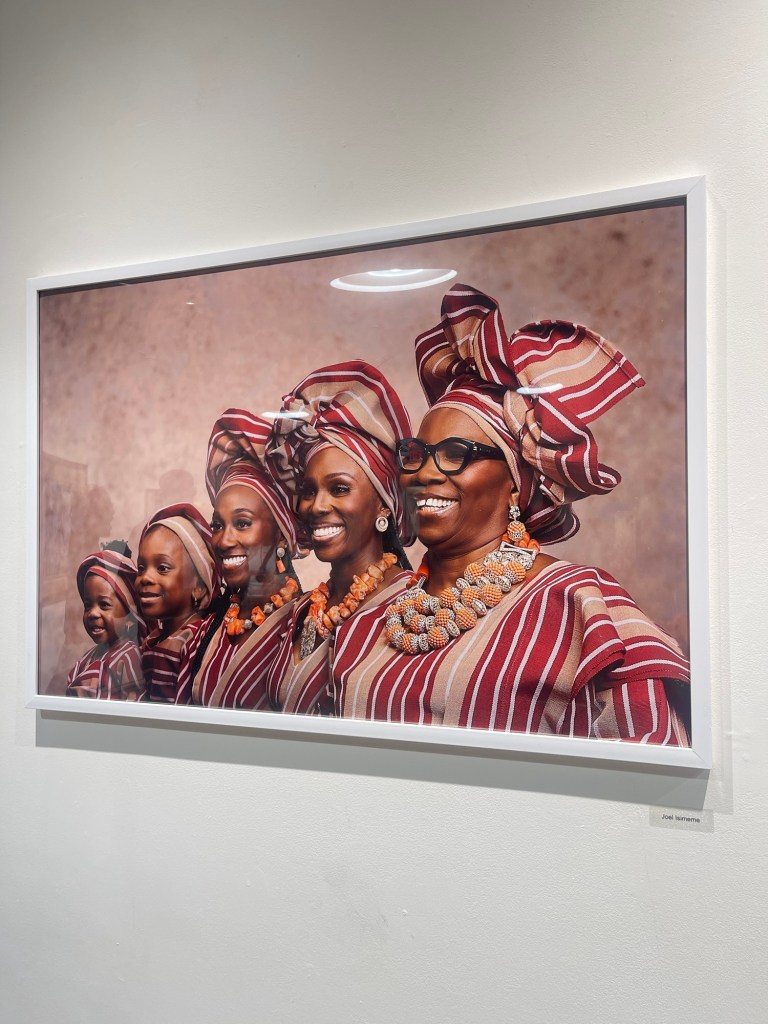
In this context, clothing extends beyond fashion. It becomes a way of standing together, demonstrating belonging, and making a shared commitment visible.
One of Joel’s photographs features an actual family who commissioned him to create their family portrait. The result captures the family’s connection through a shared visual presentation.
A second photograph offers another perspective on familial unity. A woman smiles warmly in the background as silhouettes in the foreground depict a mother and daughter tending to their hair, both dressed in Nigerian attire.
I found the second scene particularly interesting. The mother and daughter are occupied with something familiar and intimate, while the woman in the background adds another presence to the moment. It feels like a glimpse into a setting where culture and everyday family life naturally meet.
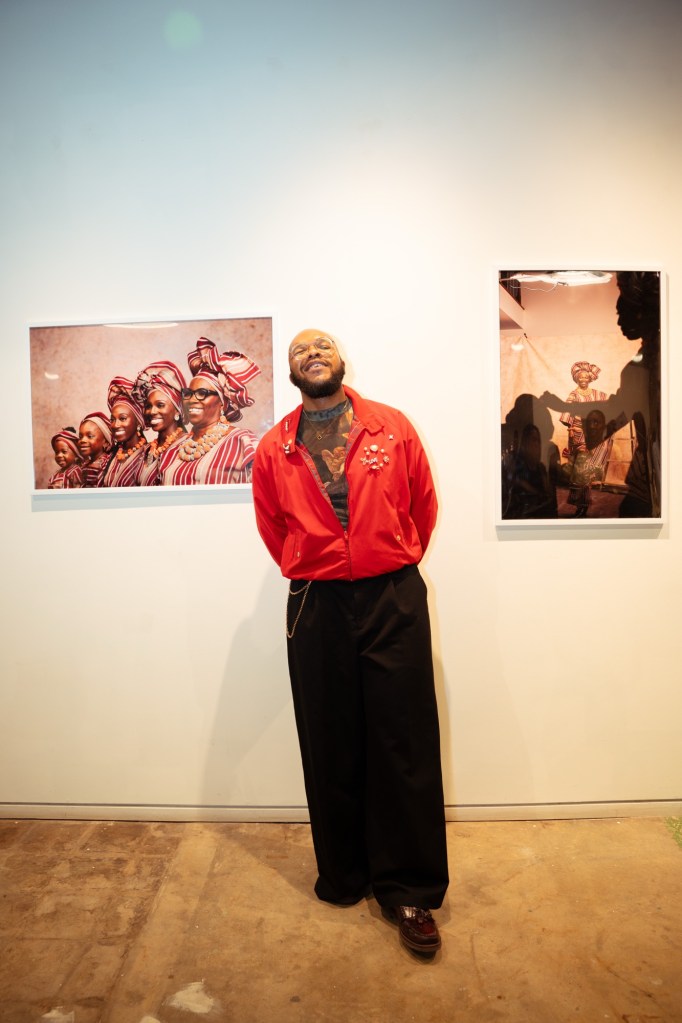
Together, the photographs explore the relationship between cultural identity and family life. Whether through coordinated clothing or the familiar experience of caring for one another, Joel’s work illustrates how traditions are carried across generations.
“Laundry Day” by Cayla Lamar
Two girls peek at one another while holding up quilted fabrics in a wooded setting.
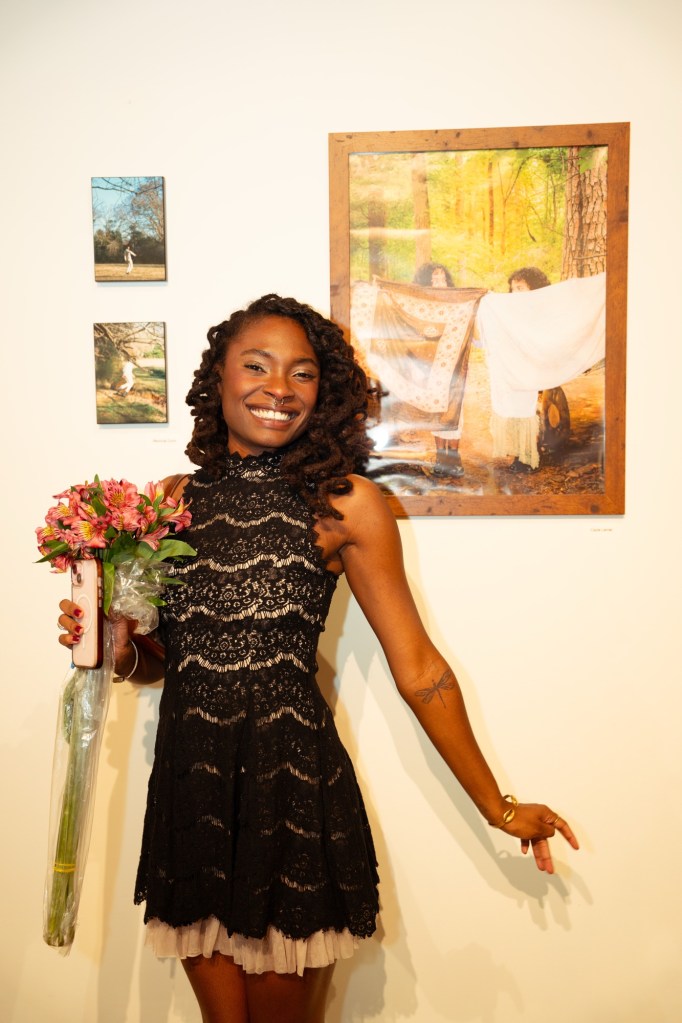
Cayla Lamar’s title for the work, Laundry Day, provides an additional point of context for the photograph. The fabrics and natural surroundings suggest the shared experience of tending to clothing and household materials, possibly through the tradition of handwashing.
“You know I’m all about the sisterhood” Cayla reminds us, as we’ve touched on this subject in one of her interviews.
In the photo, there’s a curiosity to the way the girls interact with one another. They’re holding up the fabrics, peeking around them, and sharing a moment that feels both playful and familiar. I also found myself wondering about the setting and the story behind the scene.
The photograph brings attention to the ordinary experiences that can connect people. Familiar routines, shared responsibilities, and even the small moments of curiosity between two people can become meaningful expressions of togetherness.
“Soft in Satin” by Victoria Farley-Thompson
Victoria Farley-Thompson‘s Soft in Satin presents femininity through a lens of self-care, comfort, softness, and luxury.
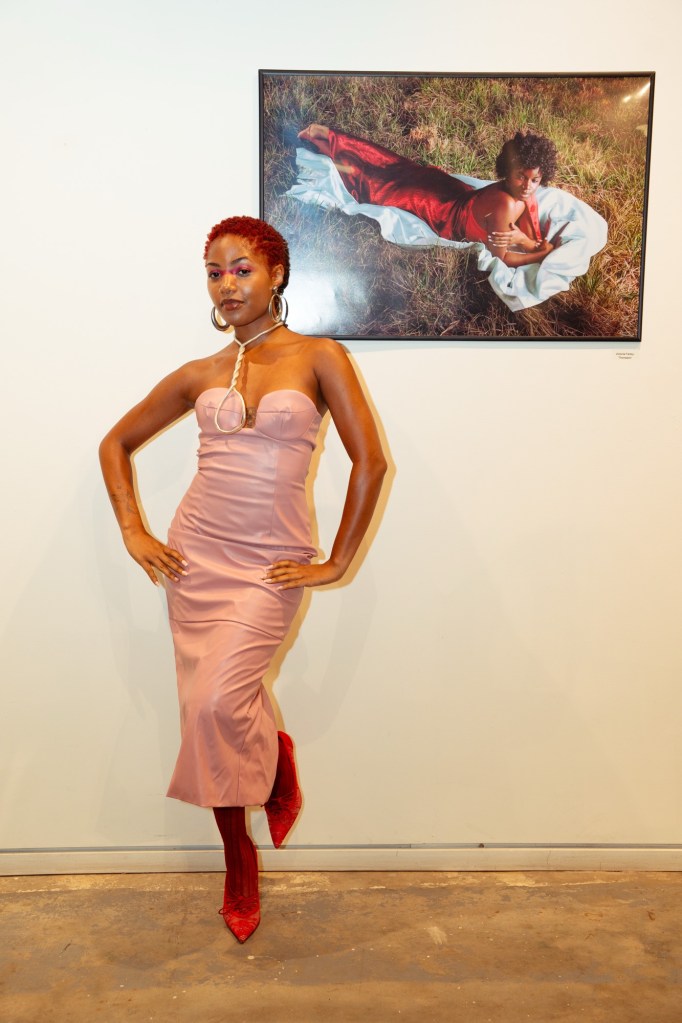
“Our femininity shouldn’t be rooted in disparity or struggle but rather in ease and luxury. Setting her against a plush, softer material while comfortably laying down conveys my idea of comfort within femininity for black women.”
The satin fabric plays an important role in the composition, creating a setting that feels intentionally gentle and inviting. The material caught my attention for another reason, too. For many Black women, satin is familiar from haircare routines, from bonnets to pillowcases, where it helps reduce friction and protect hair from tangling and breakage.
It’s an interesting connection to make between the material’s everyday use and the feeling Victoria creates in the photograph. Satin can be associated with care and preservation, but here it also becomes part of an image where a woman is simply allowed to rest.
Victoria’s interpretation challenges the expectation that Black femininity must always be communicated through struggle or resilience. Instead, she offers an image of a woman who naturally exists in comfort.
Meta: An Analysis on the Themes
Looking across the exhibition, several recurring themes begin to emerge. We interviewed a fraction of the artists compared to the full amount in attendance, so there remained even more ideas and relationships we can define. Although the artists approach unity from different perspectives, fashion and fabric along with light and darkness appear particularly often as ways of communicating shared identity and belonging.
Fashion & Fabrics
Fashion appeared throughout the exhibition in different forms, from the cultural significance of the aso oke to the softness of satin and the expressive styling of black dandyism. Each offered a different perspective on how clothing can communicate identity, belonging, comfort, and personal freedom.
But fashion’s significance wasn’t limited to the artwork. It was present in the room itself, in the outfits attendees chose to wear and the ways they expressed their own personalities.
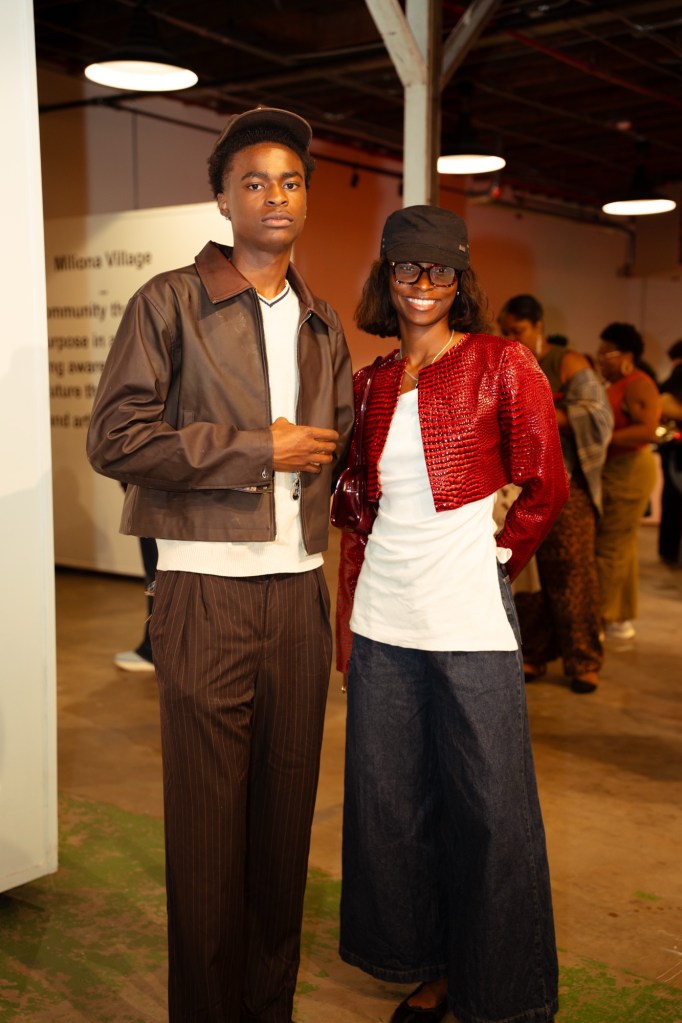
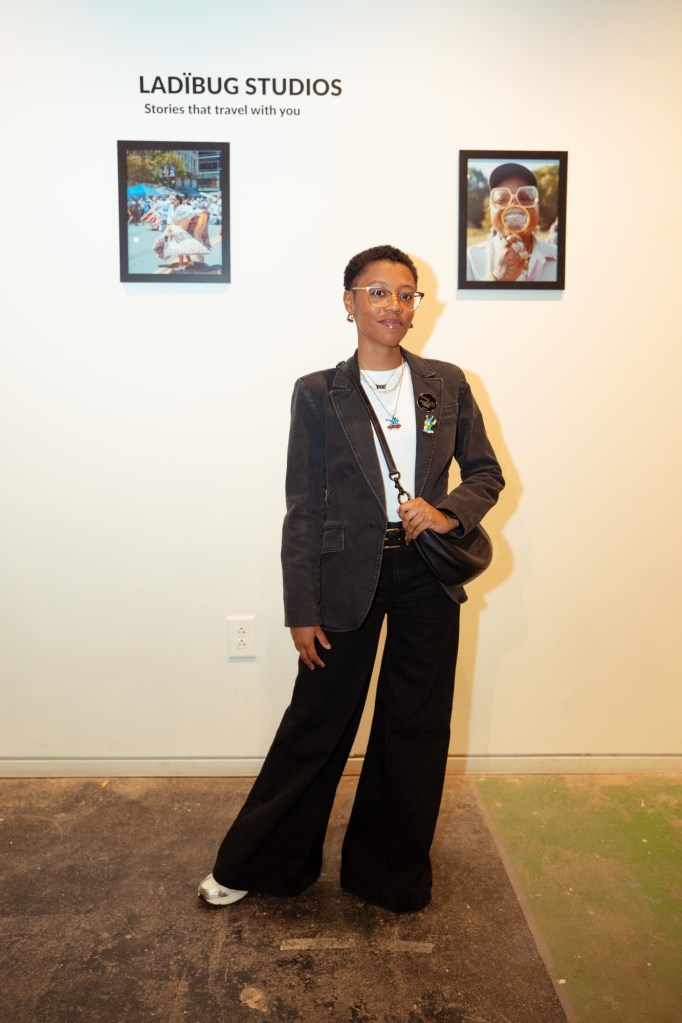
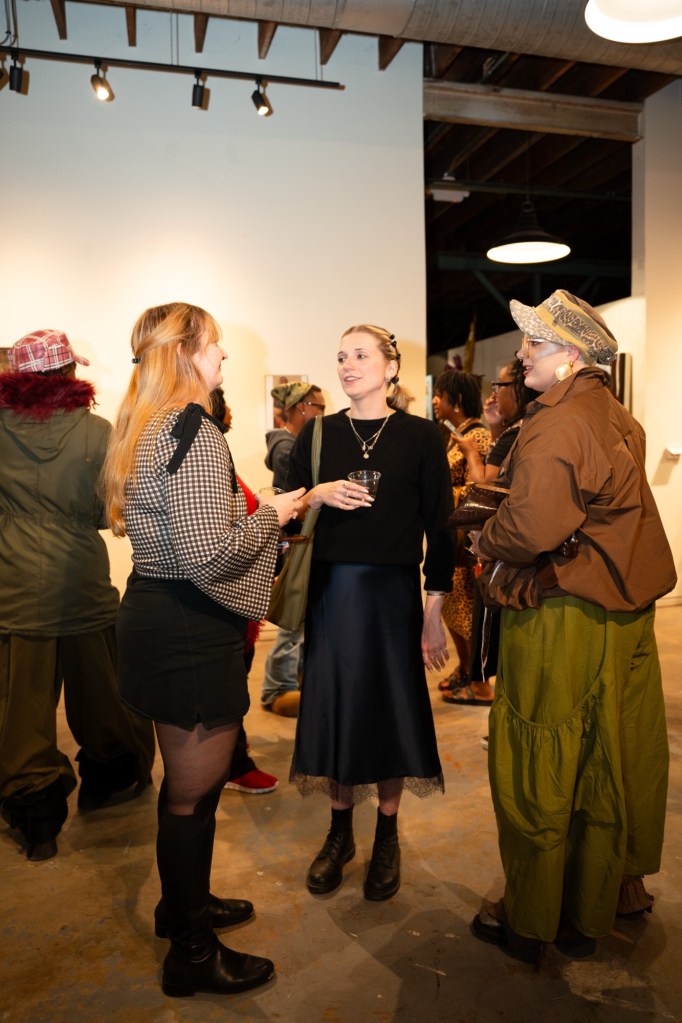
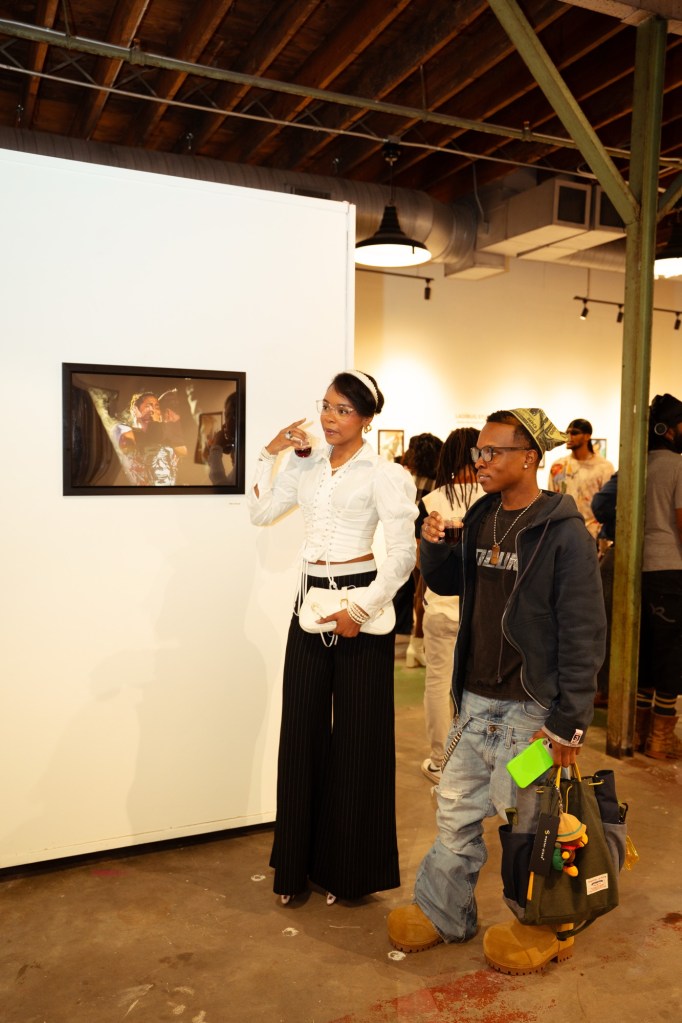
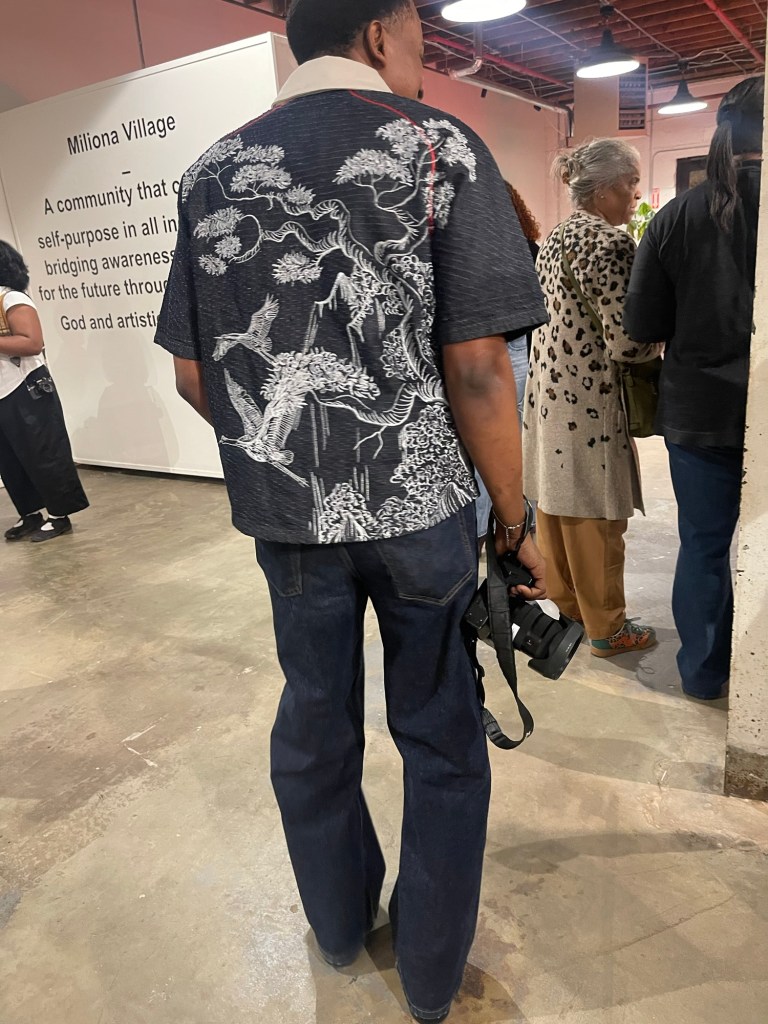
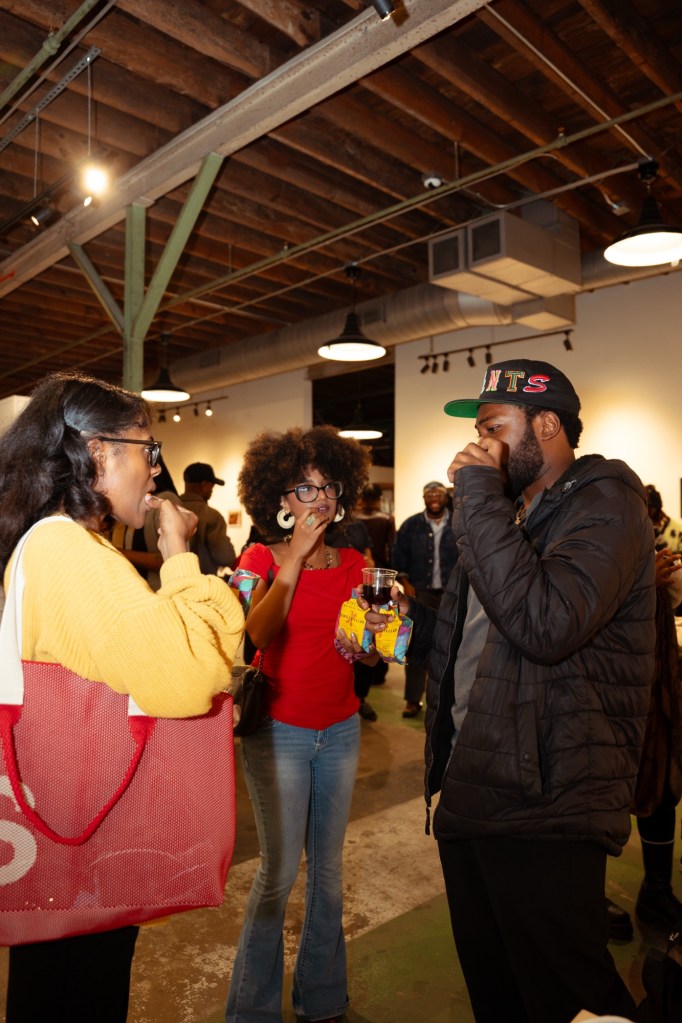
Bold colors, striking patterns, and boxier silhouettes brought their own visual energy to the gathering, with some looks reflecting the shift into fall fashion. In that sense, the exhibition offered a glimpse of art becoming life. The same creativity and self-expression explored through the photographs were being carried into the event by the people attending it.
Whether displayed in a photograph or worn to celebrate an occasion, clothing can become part of how we connect with one another.
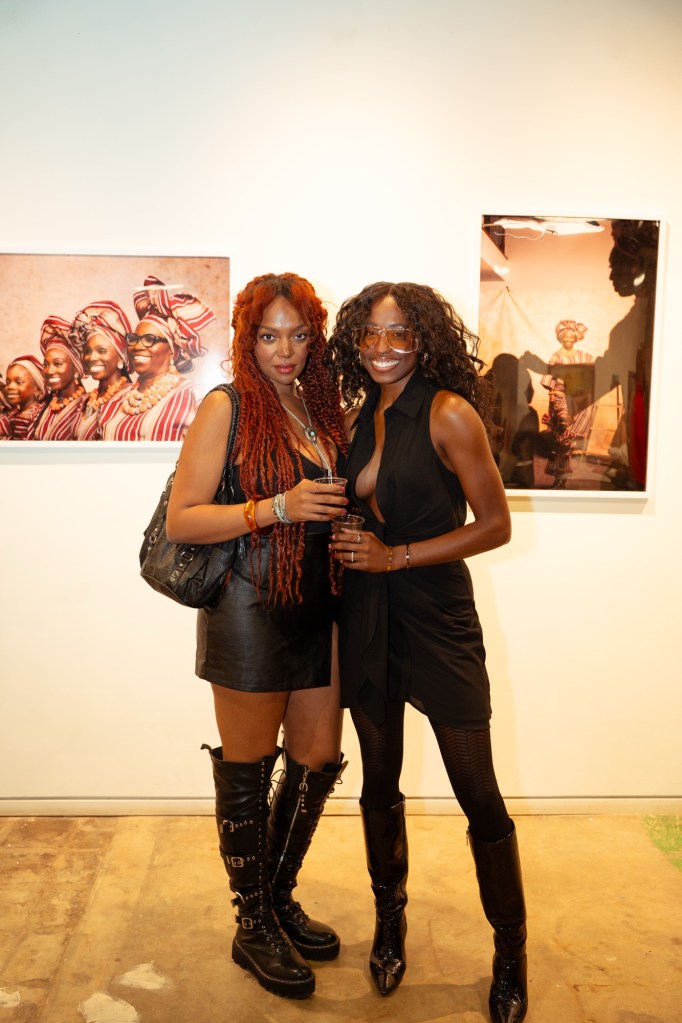
We don’t just observe fashion; we participate in it. And when people come together for an event, their individual expressions become part of a shared visual experience.
The Language of Color and Contrast
Another interesting element across the exhibition is the use of color, particularly the relationship between light and dark.
Some works lean into softness, warmth, and brighter expressions of affection, while others use darker tones and sharper contrasts to introduce tension, reflection, or even mourning.
Consider Annabelle Camp’s Til Death Do Us Part and Joel Kayamba’s Exist for Love. Both incorporate wedding imagery, yet their emotional presentations are strikingly different. Annabelle uses red, veiling, and cemetery imagery to explore ego, mourning, and personal release. Joel captures the warm tones of a real wedding, presenting commitment through a moment of affection between two people.
Furthermore, aside from these two pieces, black-and-white gradients served as an indication to focus on the subjects at hand.
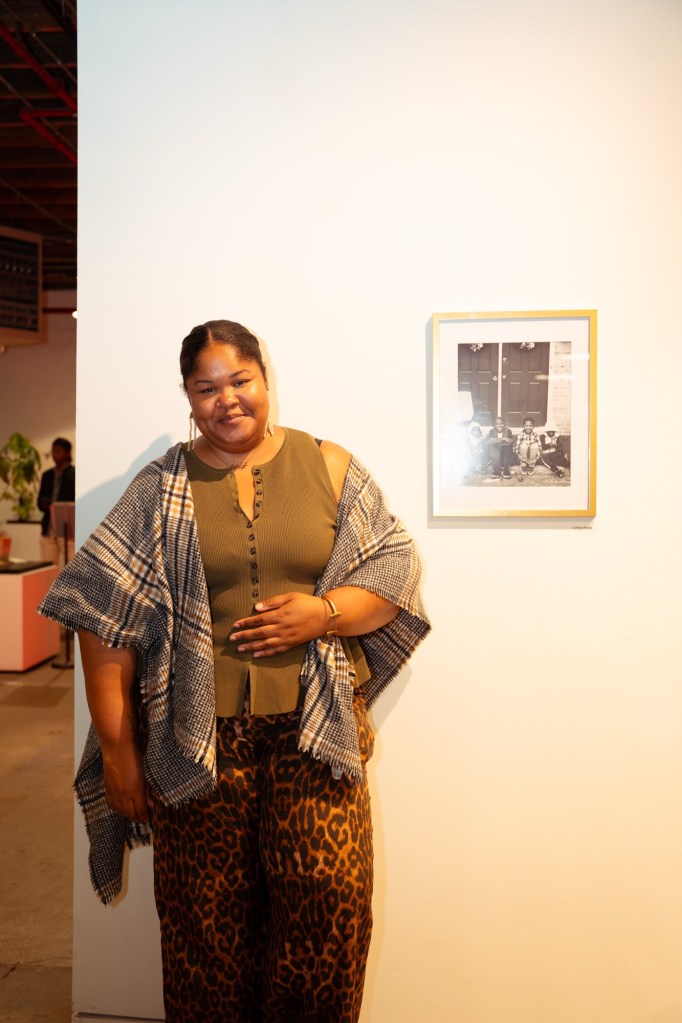
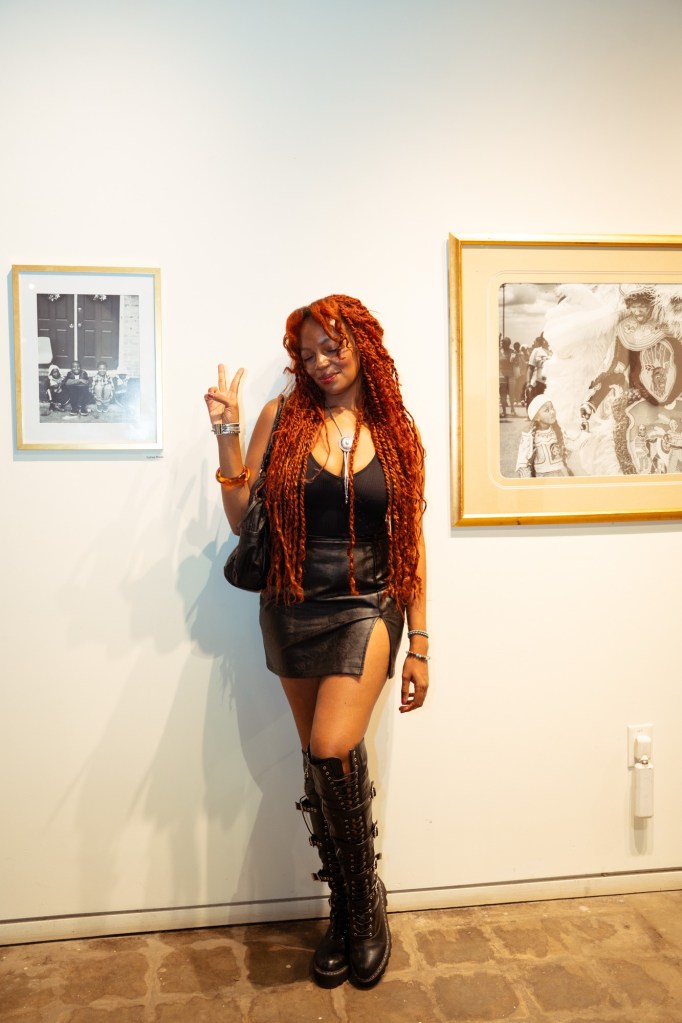
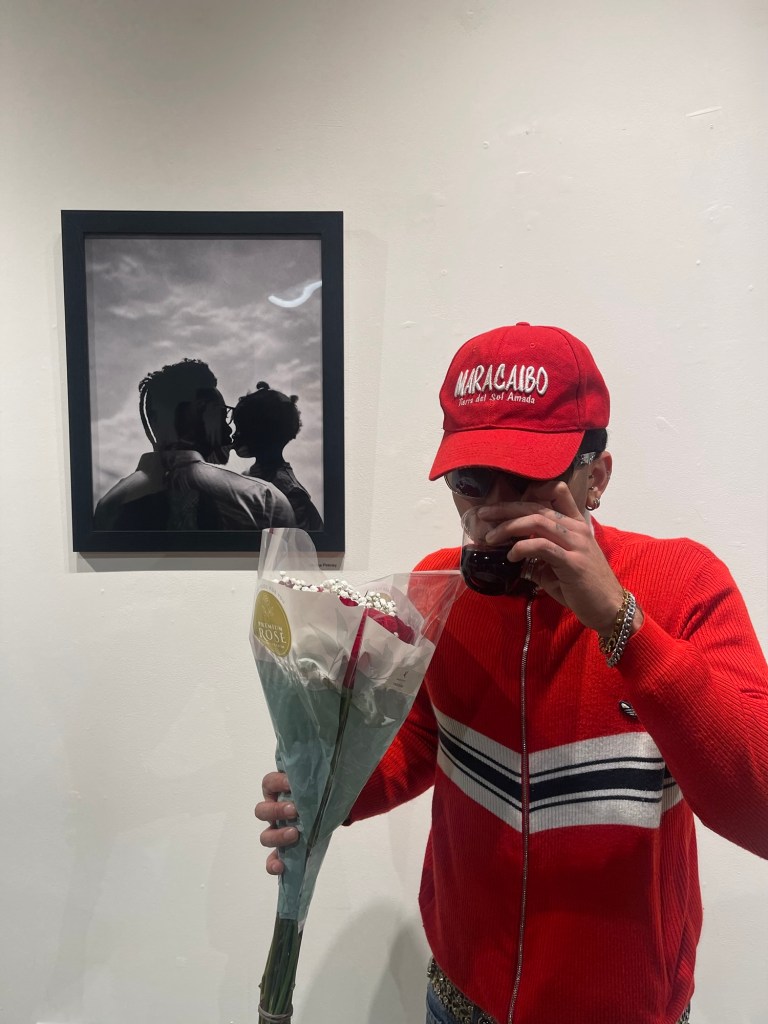
Throughout the exhibit, the removal of saturation and color forces the viewer to focus on the subject and the detail while introducing a nostalgic coloring, pulling viewers towards a quiet reflection of their emotions while assessing the work.
Finding Common Ground
The exhibition’s different subjects ultimately bring us back to the original question: what unifies us?
Family photographs, wedding memories, musical references, cultural traditions, and sporting celebrations each offer a different entry point into the idea of unity.
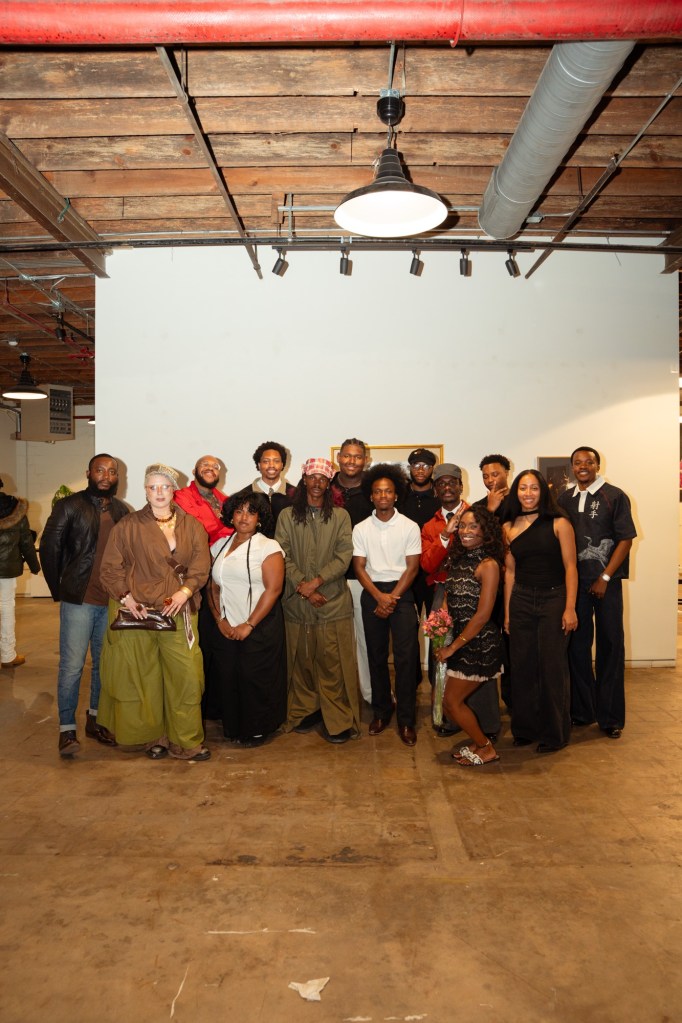
We don’t have to share the same background, traditions, or experiences to recognize something meaningful in one another. A photograph can remind us of a familiar feeling, introduce us to a cultural tradition, or offer a perspective we hadn’t considered before.
And sometimes, we simply find ourselves celebrating in the same room.
Acknowledgements
Thank you to everyone I met here: if you were here and I didn’t catch you, please feel free to reach out so we can discuss your work!
Photo Credits to Eric Kamasau on behalf of Ladibug Studios, you can check out his work here.


Leave a Reply